
 +918171352163
Why Every Photographer Loves the Taj Mahal at Sunrise
There's something magical about waking up before dawn and heading to the Taj Mahal. The world is still asleep. The air feels fresh and cool. And then you see it — the white marble monument slowly revealing itself in soft morning light. For photographers like me, this moment is pure gold.
I've taken hundreds of photos in my life, but nothing compares to watching the sunrise at the Taj Mahal. The colors change every few minutes. The crowds haven't arrived yet. Everything feels peaceful and perfect. This is why every photographer dreams of a Taj Mahal Sunrise Tour.
Let me share why this experience is so special and how you can capture stunning photos during your visit to Agra.
The Magic of Morning Light
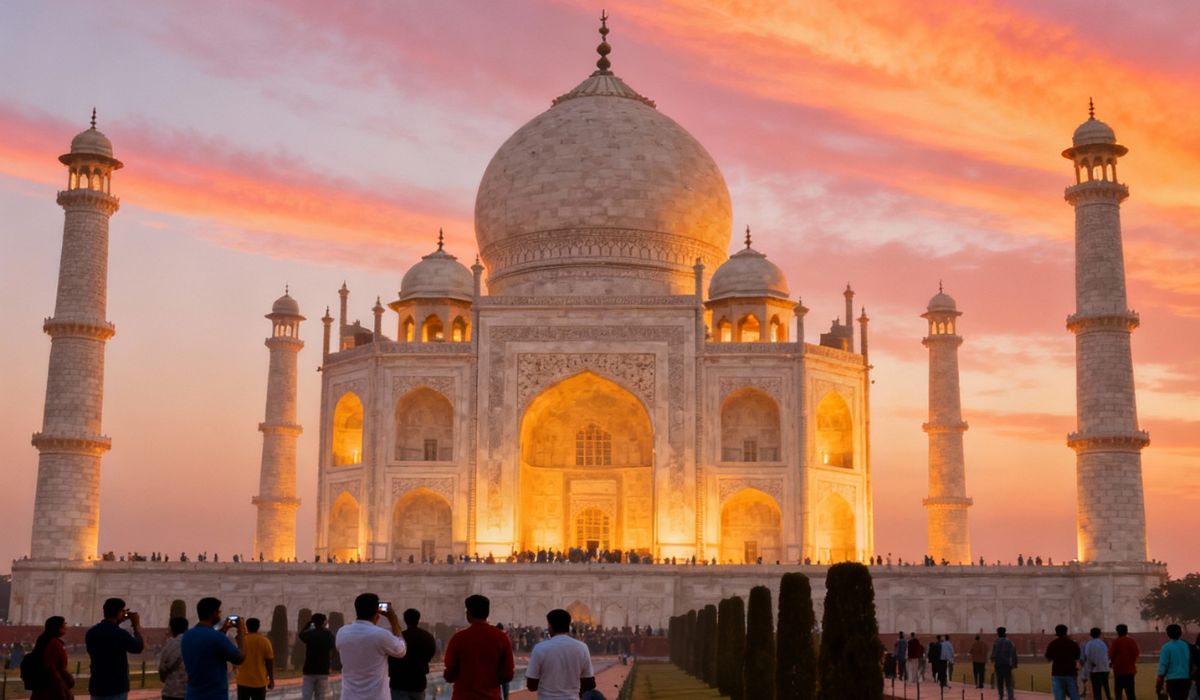
Sunrise transforms the Taj Mahal into something beyond beautiful. When I first saw it at dawn, I couldn't believe my eyes. The monument wasn't just white anymore.
As the sun begins to rise, the marble glows in soft pink hues. It looks almost unreal, like a painting. Within minutes, the colors shift to warm orange tones. Then comes the golden hour — when the entire structure bathes in golden light. The white marble reflects every shade perfectly.
This natural light show happens because of the Makrana marble used in construction. It's not just white stone. The marble has translucent properties that catch and reflect light beautifully. During a Taj Mahal Sunrise View, you witness nature's own color palette dancing across the monument.
The best part? You can't get these colors at any other time of day. The afternoon light is harsh. The evening light is pretty but different. Only sunrise gives you this soft, dreamy quality that makes photos look professional without much editing.
Best Photography Spots Around the Taj
Knowing where to stand makes all the difference. During my Taj Mahal Photography Tour, I discovered several perfect angles
The main platform offers the classic frontal view. This is where most iconic photos are taken. Stand near the reflecting pool for symmetrical shots with the water reflection. Arrive early to claim your spot here because it fills up fast.
Mehtab Bagh sits across the Yamuna River. This garden provides a different perspective of the Taj Mahal. The monument looks stunning from this distance, especially with the river in your frame. Many professional photographers prefer this spot for wider landscape shots. You get fewer crowds too.
The Yamuna River side offers unique angles. Walk along the eastern side if allowed. You can capture the Taj with natural surroundings rather than just manicured gardens. The riverbank provides interesting foreground elements for creative compositions.
Photography Tips for the Perfect Shot
Timing matters more than expensive equipment. Gates open at sunrise, so reach the entrance at least 30 minutes before that. This gives you enough time to clear security and find your ideal spot before the first light hits the marble.
For camera settings, begin with ISO 400–800 during low light. As brightness increases, reduce it to ISO 100–200. Keep your aperture between f/8 and f/11 for landscapes to maintain sharpness throughout the frame. For portraits with the Taj Mahal in the background, use f/2.8 to f/5.6 for a soft background blur that enhances your subject.
A wide-angle lens (16–35mm) captures the full grandeur of the Taj. A 50mm lens is great for portraits and detailed shots. If you’re shooting from Mehtab Bagh, a telephoto lens (70–200mm) beautifully compresses the scene with the Yamuna River in the foreground.
Bring a tripod if possible — early light can be dim, and stability is key for crisp photos. It’s also useful for bracketing exposures or capturing HDR shots later. Arrive early, set up quickly, and compose your frame before the crowd grows.
The crowd management trick is simple — arrive first and position yourself strategically. Most tourists come 30-45 minutes after opening. You get those precious golden moments almost to yourself during a Taj Mahal Sunrise Tour from Delhi.
Behind the Lens Experience
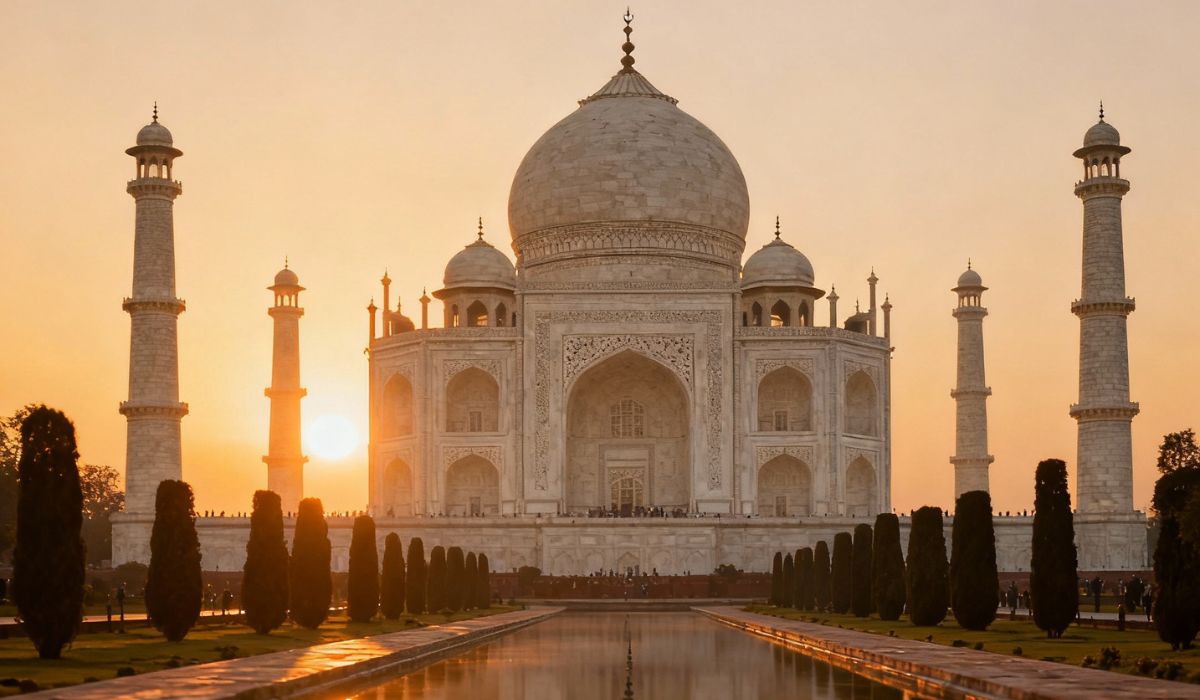
I remember my first sunrise photography session at the Taj Mahal clearly. I stood there with my camera, watching the sky change colors. Other photographers were around me, but everyone was quiet. We all felt the same reverence.
When the first ray of sunlight touched the main dome, I held my breath. My finger pressed the shutter repeatedly. Each click captured a slightly different shade of pink and gold. The reflection in the marble platform looked like liquid gold.
What struck me most wasn't just the monument's beauty. It was the feeling of peace. The Taj Mahal was built as a symbol of eternal love. At sunrise, you truly feel that love and peace surrounding you. This emotional connection shows in your photos. They're not just technically good. They carry a feeling.
During my Taj Mahal Photoshoot, I also learned patience. Sometimes the perfect shot needs waiting. A cloud might block the sun momentarily. Or someone walks into your frame. But if you wait calmly, magic happens. The light breaks through. The frame clears. And you get that one photo you'll treasure forever.
Beyond the Taj: Exploring Agra
After your sunrise photography session, Agra offers more. The morning is still young, and you have energy from witnessing something beautiful.
Agra Fort stands just 2.5 kilometers away. This massive red sandstone fortress offers great photography opportunities too. The architecture is different from the Taj but equally impressive. You can book a Taj Mahal and Agra Fort Day Tour to cover both monuments comfortably.
Local markets near the Taj sell beautiful handicrafts and marble inlay work. Sadar Bazaar and Kinari Bazaar are worth exploring. They're colorful, busy, and perfect for street photography. You'll find interesting subjects and vibrant scenes.
If you started your journey from the capital, a Taj Mahal Tour from Delhi typically includes these additional spots. It makes your trip more complete and gives you diverse photo content.
Travel Tips for Photographers
The best season for sunrise photography is October to March. The weather is pleasant, and morning fog sometimes adds mystical quality to photos. Avoid summer months (April to June) as heat becomes unbearable before noon.
Tickets cost differently for Indians and foreigners. Buy them online in advance to save time. The monument remains closed on Fridays. Plan accordingly.
If you're traveling from Delhi, book a reliable tour operator. They handle transportation, tickets, and timing perfectly. A good Taj Mahal Sunrise Tour from Delhi starts at 2-3 AM from the capital, ensuring you reach Agra before dawn.
Carry extra batteries and memory cards. You'll take more photos than planned — trust me. Also bring a cloth to clean your lenses. Morning dew can create spots on your glass.
Respect the rules. Tripods might not be allowed inside certain areas. Food and large bags are restricted. Dress modestly out of respect for this monument. It's not just a tourist spot but a place of historical and emotional significance.
Capture Your Dream Shot
The Taj Mahal at sunrise isn't just a sight — it's an experience every photographer should have. The changing colors, the peaceful atmosphere, and the perfect light create conditions that even beginners can capture stunning photos.
Whether you're a professional photographer with expensive gear or someone with just a smartphone, the Taj welcomes you equally. The monument's beauty doesn't discriminate. It shines for everyone willing to wake up early and witness the magic.
Planning is simple. Choose your dates. Book your tickets and transport. Set your alarm early. And trust me — when you see that first light touching the white marble, you'll forget all about the early wake-up call.
Book your Taj Mahal Sunrise Tour and capture the magic of dawn in Agra.